
The Ultimate Guide to Affordable Pregnancy Clinics Near You
Understanding How a Pregnancy Clinic Sliding Scale Works
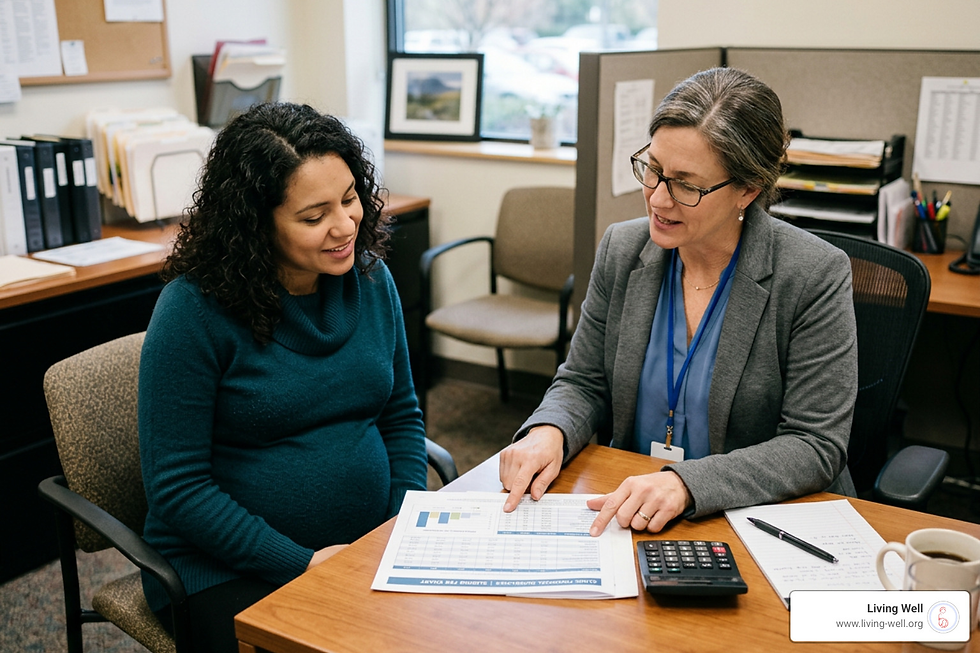
When you find out you are pregnant, the last thing you should have to worry about is a mountain of medical debt. Safety-net clinics, Federally Qualified Health Centers (FQHCs), and community medical centers use sliding fee schedules to make sure essential care remains accessible regardless of financial status.
A sliding scale adjusts the out-of-pocket cost of medical appointments, lab work, and diagnostics based entirely on your household size and income relative to the official Federal Poverty Level (FPL). Instead of charging a flat commercial rate for an initial obstetrical checkup or blood panel, the facility places you into a predetermined fee tier.
For individuals and families living at or near the poverty line, out-of-pocket costs are reduced dramatically—often bringing fees down to a nominal copay (such as $0 to $30) or wiping them out completely. If your income sits slightly higher, your bills are discounted by a specific percentage. This setup prevents care delays during the critical first trimester of pregnancy, ensuring you receive vital clinical monitoring right from the start without facing overwhelming out-of-pocket burdens.
Income Tiers and Federal Poverty Guidelines for a Pregnancy Clinic Sliding Scale
Health centers look at annual income tables established by the federal government to calculate your out-of-pocket responsibility. The system divides earnings into four to five clear categories, balancing what you earn against how many dependents you support.
Under standard safety-net guidelines, health systems group sliding scale tiers as follows:
Discount Tier | Federal Poverty Level (% FPL) | Typical Discount Level | Patient Responsibility Examples |
Tier A / Level I | 0% – 100% FPL | 100% Discount (Nominal Fee) | $0 to $30 per routine visit |
Tier B / Level II | 101% – 140% FPL | 60% – 75% Discount | Reduced visit fee / partial balance |
Tier C / Level III | 141% – 180% FPL | 40% – 50% Discount | Moderate copay per service |
Tier D / Level IV | 181% – 200% FPL | 20% Discount | Baseline reduced fee |
No Discount | Over 200% FPL | 0% Discount | Full standard self-pay rate |
For example, comprehensive community health centers structure their prenatal packages around these exact benchmarks, offering structured maternity care packages starting at around $850 for Level I patients compared to higher rates for individuals with greater income. These tiers ensure complete transparency, giving you clear visibility into all prospective clinic costs before any testing or clinical evaluation begins.

Public Subsidy Programs vs. General Reproductive Health Fee Schedules
While general primary care clinics often cap sliding fee eligibility at 200% of the FPL, reproductive health programs frequently feature expanded financial assistance. Under federally backed Title X family planning initiatives and state-funded programs, specialized reproductive and women's health clinics can extend discount schedules up to 250% of the poverty line.
Public health clinics also maintain distinct policies for specialized preventive procedures. For instance, childhood and maternal vaccines administered under Vaccines for Children (VFC) programs typically carry a standardized low administrative fee (around $23) regardless of whether you fall into Level I or Level IV. Understanding these distinctions ensures you never pay commercial prices for preventive maternal healthcare.
How to Apply and Qualify for Sliding Fee Care
Applying for sliding fee assistance is straightforward and usually handled during your first appointment intake. Because clinics must document eligibility to comply with state and federal funding mandates, every patient applying for a discount completes a simple financial screening process. This brief intake ensures the health center allocates grant funds and state subsidies fairly and accurately.
If you are navigating an unexpected pregnancy and feeling overwhelmed by next steps, our comprehensive pregnancy help guide offers compassionate direction on organizing your medical care and personal support.
Required Documentation for Proof of Income and Household Size
To ensure your application is processed smoothly, gather documentation that verifies your living arrangements and financial situation:
Proof of Identification: A government-issued photo ID, driver's license, passport, or student identification card.
Proof of Household Income: Recent pay stubs (usually the last 2 to 4 consecutive stubs), W-2 tax forms, or recent federal tax returns.
Alternative Financial Statements: If you are self-employed or receiving public support, bring bank statements, unemployment check stubs, or government benefit award letters (such as SNAP or SSI).
Proof of Address: A current utility bill, lease agreement, or official piece of mail showing your residential address.
Zero-Income Declarations: If you currently have no income or are staying with family without financial resources, clinics provide a simple zero-income self-attestation form so you can still access top-tier discounts.
Navigating Your First Pregnancy Clinic Sliding Scale Consultation
When you arrive for your initial consultation, an intake specialist or financial counselor will review your paperwork in a private setting. They will calculate your adjusted gross income, determine your household size, and assign your designated fee tier. They will also discuss payment options and ensure you understand what copays apply to laboratory services, prenatal visits, or diagnostic scans.
Approved sliding scale tiers generally remain valid for 12 continuous months. If your income or family size changes within that period, simply notify the clinic to have your tier recalculated.

Services Typically Covered Under Sliding Scale and Community Health Programs
Community health clinics and nonprofit medical centers provide comprehensive pregnancy care designed to support maternal and fetal health from conception through the postpartum period.
Prenatal Care, Ultrasounds, and Lab Screenings
Sliding scale clinics provide a complete continuum of obstetrical care, including:
Initial Pregnancy Confirmation: Utilizing medical-grade urine or serum testing. At LivingWell, we offer a completely free pregnancy test administered by our licensed medical staff with zero out-of-pocket costs.
Obstetric Ultrasounds: Diagnostic imaging to verify viability, detect a fetal heartbeat, and determine gestational age. We provide a free ultrasound to give you the clear medical facts you need before making any decisions.
Routine Maternal Lab Panels: Standard blood work, blood type and Rh factor testing, complete blood counts (CBC), and screenings for infectious diseases.
Routine Prenatal Checkups: Measuring fundal height, monitoring fetal heart rates, checking blood pressure, and performing gestational diabetes screenings.
Postpartum and Newborn Follow-Ups: Ensuring physical recovery and maternal mental health support following birth.

Regional Community Health Centers and Public Safety-Net Options
If you are looking for long-term obstetrical management, community health centers, mobile clinics, and county public health departments operate across Southern California to ensure no expectant mother is left without care. Many of these health systems also have designated financial navigators who can enroll you immediately in temporary Medicaid coverage (known as Presumptive Eligibility for Pregnant Women), giving you instant access to fully covered hospital births and prescription prenatal vitamins.
If you are sorting through your options, speaking with an unbiased medical professional can bring clarity. You can book a confidential options counseling session to discuss all your choices—parenting, adoption, and abortion—in an environment free of pressure or financial obligation.
Frequently Asked Questions About Affordable Pregnancy Care
Can I receive pregnancy care if I have zero income?
Yes. Community safety-net clinics and nonprofit medical providers have policies ensuring that care is delivered regardless of your ability to pay. If you have no income, you can complete a zero-income affidavit during registration to qualify for a 100% sliding scale fee waiver or nominal visit charges.
How does family size impact my sliding fee tier?
Your sliding fee tier is determined by comparing your total household income against the number of people living in your home who share financial support. As your family size increases, the federal poverty income thresholds rise—meaning larger families qualify for higher discount tiers even with higher earnings.
Do sliding scale clinics help with Medicaid enrollment?
Yes. Most community health clinics and FQHCs employ on-site financial counselors and Medicaid navigators. They can help you apply for state-sponsored pregnancy Medicaid and often grant immediate temporary coverage on the spot through Presumptive Eligibility programs.
Conclusion
Finding affordable, high-quality prenatal care should never feel like an impossible hurdle. By taking advantage of sliding scale clinics and local safety-net medical resources, you can access the thorough obstetrical care you and your baby deserve.
If you believe you might be pregnant, LivingWell is here to support you with free medical-grade pregnancy testing, limited obstetrical ultrasounds, and compassionate nurse consultations. We invite you to schedule an appointment for comprehensive pregnancy support with our caring medical team today.
You can visit our clinic at our single convenient location: 2010 N Tustin St, Suite C, Orange, CA 92865. We look forward to walking alongside you every step of the way.


Comments